By: Daniel Castan, Partner Attorney at Castan, Lecca & Boeschen
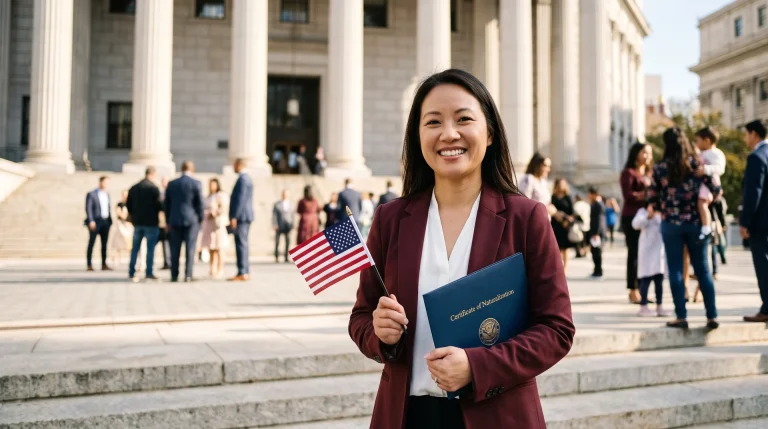
Uniting your life in marriage is a cause for great celebration, but when one spouse is a United States citizen or lawful permanent resident and the other is a foreign national, the “happily ever after” requires navigating the complex maze of U.S. Citizenship and Immigration Services (USCIS). Obtaining a marriage-based Green Card is one of the most common pathways to permanent residency, but it is also one of the most heavily scrutinized.
At Castan, Lecca & Boeschen, we have guided countless families in Atlanta and throughout Georgia across this rigorous legal landscape. To analyze the specifics of your situation, we invite you to schedule an initial immigration consultation with our experienced legal team.
It is critical that we state our firm’s service policies with absolute transparency: all of our immigration consultations are strictly paid, without exception, and carry a mandatory fee of $150. (Our firm provides free case evaluations solely and exclusively for car accidents, personal injuries, and workers’ compensation cases).
Below, we break down the differences between domestic and consular processing, how to prove your marriage is genuine, and what common red flags can trigger intense scrutiny from the government.
I-130 and I-485 Process overview: Domestic vs. Consular Processing
The undisputed first step for any marriage-based immigration petition is filing Form I-130 (Petition for Alien Relative) with USCIS. This document establishes the legal relationship between the sponsoring spouse (the U.S. citizen or resident) and the foreign national beneficiary.
However, the next step depends entirely on where the foreign spouse is currently located and how they originally entered the United States:
1. Domestic Processing (Adjustment of Status – Form I-485)
If your foreign spouse is already physically present in the United States and entered the country lawfully (for example, with a tourist visa, student visa, or work visa), they may be eligible to apply for an “Adjustment of Status” under the Immigration and Nationality Act (INA) § 245. In this scenario, Form I-485 is filed concurrently (at the same time) with or after the I-130. The primary benefit of this pathway is that your spouse can remain in Atlanta with you throughout the entire process. Furthermore, they can apply for a temporary work permit (Employment Authorization Document) and travel authorization while awaiting the final decision.
2. Consular Processing
If your spouse is currently outside of the United States, or if they entered the country without inspection (crossed the border undocumented) and do not qualify for specific legal exceptions, they must go through consular processing. Under this pathway, once USCIS approves the Form I-130, the case is transferred to the National Visa Center (NVC) and eventually to the U.S. Embassy or Consulate in your spouse’s home country. The foreign spouse must attend a medical exam and a consular interview abroad before receiving an immigrant visa to enter the United States as a lawful resident. For spouses who entered the U.S. without inspection, this process usually requires securing an approved Provisional Unlawful Presence Waiver (Form I-601A) before departing the country.
Proving a bona fide marriage
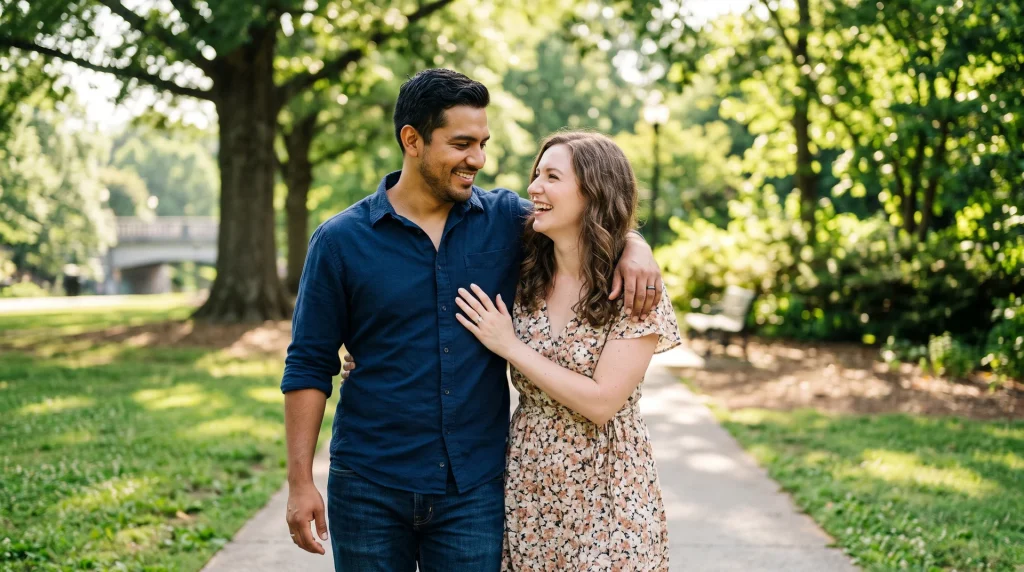
The U.S. government approaches marriage-based petitions with initial skepticism. The burden of proof rests entirely on you and your partner to demonstrate that the marriage is “bona fide” (made in good faith) meaning you married for love and to build a life together, not for the sole purpose of evading immigration laws to obtain a Green Card.
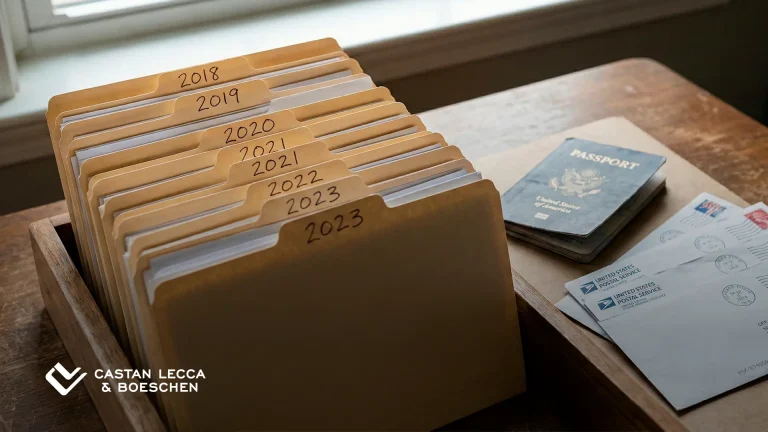
A simple marriage certificate from a Georgia county courthouse is not enough. You must present a substantial volume of documentary evidence that proves your lives are intertwined. Our firm helps clients meticulously gather and organize the following proofs:
- Commingled finances: Joint bank accounts, shared credit card statements, and tax returns filed with the status “married filing jointly.”
- Shared cohabitation: Residential leases or mortgages bearing both names, and utility bills (electricity, water, internet in Atlanta) proving both spouses reside at the exact same address.
- Insurance and benefits: Health insurance policies, auto insurance, or life insurance policies where one spouse clearly lists the other as the primary beneficiary.
- Evidence of relationship over time: A chronological photographic record of your relationship at different events, joint travel itineraries, correspondence, and sworn affidavits from friends and family testifying to the authenticity of your bond.

Common red flags that trigger extra scrutiny
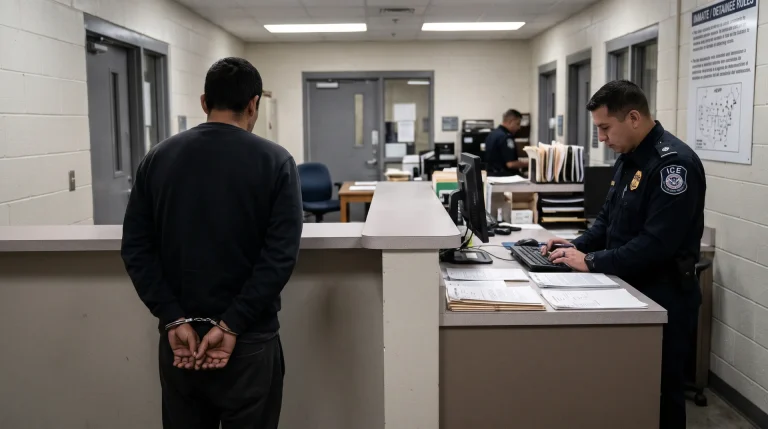
USCIS officers are highly trained to identify marriage fraud. Certain discrepancies or circumstances in your shared history can raise suspicions (red flags) and result in a “Stokes Interview” (a separate, highly interrogative second interview) or outright denial of your case.
The most common red flags include:
- Lack of a shared language: If you and your spouse cannot fluently communicate with one another in the same language, USCIS will heavily question the authenticity of the relationship.
- Significant age gap: An unusually large age difference between spouses frequently attracts additional scrutiny.
- Rushed marriage: Marrying immediately after the foreign spouse is placed in deportation proceedings, or getting married just days before their tourist visa expires.
- Lack of cohabitation or separate finances: If you maintain separate residential addresses in Georgia without a strong, logical explanation (such as for specialized work or schooling), or if your finances are completely and deliberately separated.
- History of prior petitions: If the U.S. citizen spouse has sponsored other foreign nationals for green cards in the past, or if the beneficiary has a history of failed marriages with U.S. citizens.
Frequently asked questions (FAQ)
How long does a marriage-based green card take?
Processing times vary widely depending on the USCIS caseload and whether the sponsoring spouse is a U.S. citizen or a lawful permanent resident. For spouses of U.S. citizens undergoing Adjustment of Status within the U.S., the process typically takes between 10 to 18 months. Consular processing often takes longer, roughly 12 to 24 months, due to NVC backlogs and embassy wait times.
What documents prove a bona fide marriage?
The best evidence consists of documents showing joint financial and life commitments. This includes joint bank account statements, residential leases or mortgages signed by both spouses, shared insurance policies, joint tax returns, birth certificates of any children born to the marriage, and a robust photographic record of your relationship over time.
Does Castan, Lecca & Boeschen offer free immigration consultations?
No. By strict firm policy, all immigration-related consultations are paid, without exception, and carry a mandatory $150 fee. Our free case evaluations are provided solely and exclusively for victims of car accidents, workplace accidents (workers’ comp), and personal injury claims.
Schedule your paid Immigration Consultation today
A single error on your forms, a missing document translation, or failing to submit sufficient bona fide evidence can result in months of delays or the complete denial of your family petition. Do not risk your family’s future by facing USCIS without expert legal representation.
If you live in Atlanta or anywhere in Georgia and are ready to begin the residency process for your loved one, our bilingual team is here to guide you through every step. Schedule your paid immigration consultation today by calling 678-825-3611 or visiting our contact page. (We kindly remind you that if your legal need stems from a car crash or workplace accident, you may request your free accident consultation by calling the exact same number).