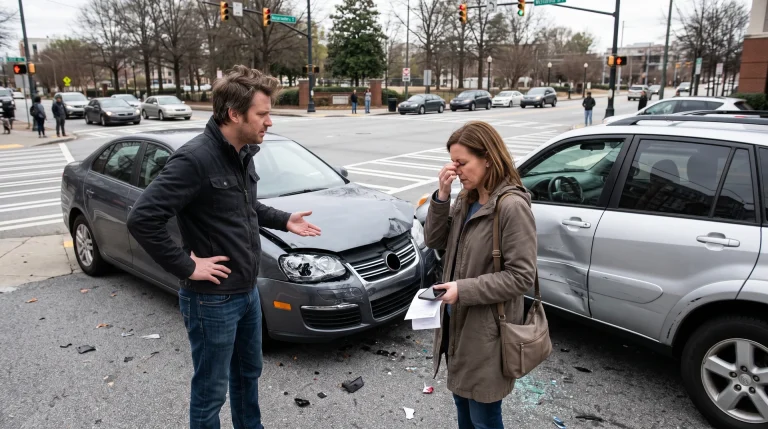

A collision with a truck, bus, delivery van or other business vehicle may involve evidence and insurance arrangements beyond an ordinary two-driver claim. Start with safety and medical needs, then identify the driver, vehicle and business relationships. A business logo alone does not establish who is legally responsible.
Commercial Vehicles Do Not All Follow the Same Rules
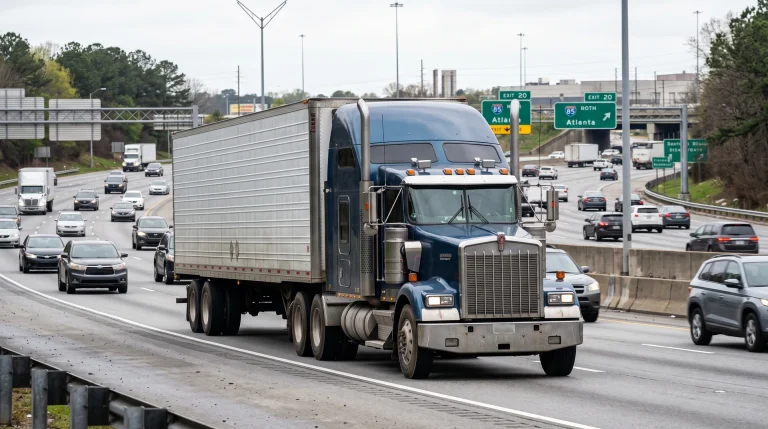
Large trucks and buses can have substantial blind spots, longer stopping distances and wide turns, as FMCSA explains in its safety guidance. But not every vehicle used for business is a large truck, and not every crash produces the same injury or legal issues.
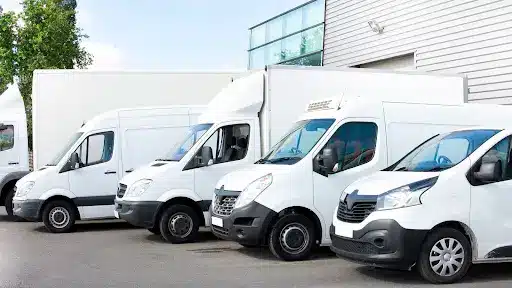
The federal commercial-motor-vehicle definitions and the nature of the operation matter. Vehicle size, use, passenger or cargo activity and interstate or intrastate operation can affect which rules apply. Do not assume every delivery car has the same driver-qualification, hours-of-service or recording requirements as an interstate tractor-trailer.
Assess Injuries and Document Actual Losses
Describe symptoms and the impact to a healthcare professional, and obtain emergency care when needed. Head, spinal, limb or internal injuries may occur, but their presence and severity require assessment. Do not infer a diagnosis such as PTSD or permanent impairment solely from vehicle size.
Preserve medical bills and records, restrictions, earnings information, repair evidence and relevant future-care recommendations. A claim may include legally supported economic and noneconomic losses; proof of an expense is different from proof of causation, fault or coverage. No settlement can be promised to cover every future cost.
Identify Responsible Parties and Applicable Coverage

Potential responsibility may involve the driver, an employer, a carrier, a maintenance provider or another legally responsible party. Each theory needs supporting facts. Georgia’s scope-of-business liability statute is relevant to employer responsibility; ownership, a logo or a delivery assignment does not automatically resolve all employment and agency questions.
Identify applicable policies, insured parties, exclusions and limits. Do not assume commercial use means unlimited insurance or that the insurer can always be sued directly. Notify your own insurer as required and distinguish its requests from those made by another party.
An attorney can assess liability, evidence, settlement terms and litigation options. A refusal or low offer may require analysis; it does not itself prove misconduct or entitle the claimant to a particular amount.
Preserve Evidence and Review the Next Step
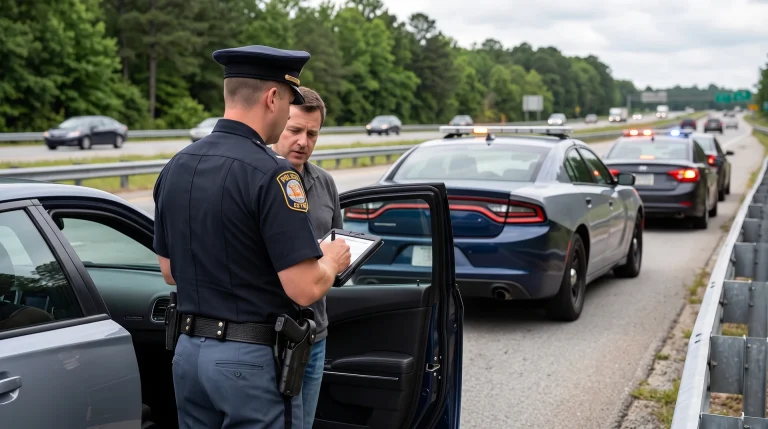
Call law enforcement as required and 911 for an emergency. Record the location, investigating agency and incident number. When safe, preserve photographs, witness contacts, plate numbers, company names and any displayed USDOT identifier. Do not chase a vehicle or enter traffic to obtain them.
Tell counsel promptly about possible dashcam footage, vehicle data, dispatch communications, maintenance records or driver logs. What exists depends on the vehicle and operation. Preservation and lawful access need attention; do not assume every record exists or will remain available indefinitely.
Keep originals and explain what you do not know. Castan, Lecca & Boeschen can review the crash and available documents to discuss deadlines and next steps. Representation cannot guarantee fault findings, coverage or a settlement.