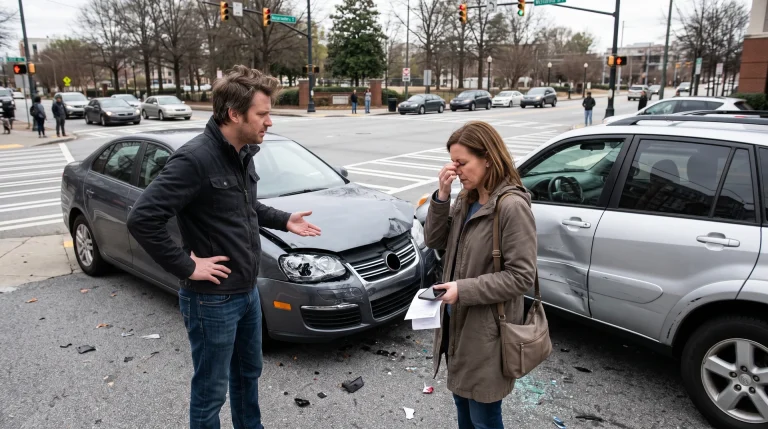
A witness may help explain how a car accident happened when drivers disagree or important details are missing. The value comes from what the person actually observed and how reliably that account can be tested. A statement is useful evidence, not an automatic way to prove fault or guarantee compensation.
Preserve witness information promptly. Memories fade and recordings can be overwritten. Do not confuse the time available to gather evidence with the deadline for filing a lawsuit; different claims and special circumstances can have different requirements.
Evaluate What the Witness Could Actually Observe
Consider the person’s location, line of sight, lighting, attention, distance and opportunity to observe. Ask whether the witness saw the collision or only arrived afterward. Distinguish a remembered fact from an estimate, assumption or something another person said.
A passenger, relative or friend is not automatically excluded because of that relationship. Potential bias, alcohol or drug use, inconsistent accounts and limited visibility may affect credibility and the weight of testimony. They do not create a universal rule that the person can never testify. Georgia’s personal-knowledge requirement is central to evaluating what a witness can address.
Find and Preserve Witness Information Safely

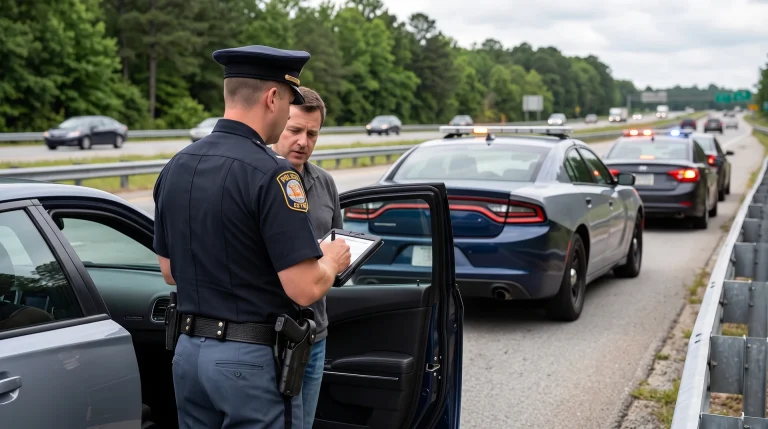
If it is safe, ask for a name, telephone number or other reliable contact method and a brief account of what the person observed. Passengers, nearby workers, pedestrians and people in adjacent buildings may have relevant information. Do not enter traffic, trespass or delay medical care to find witnesses.
Note businesses or cameras that might have captured the scene. Ask the owner to preserve relevant footage promptly, and record the location and approximate time. Retain the original file when lawfully obtained, rather than only an edited clip or social-media copy.
Record an Accurate Account Without Coaching
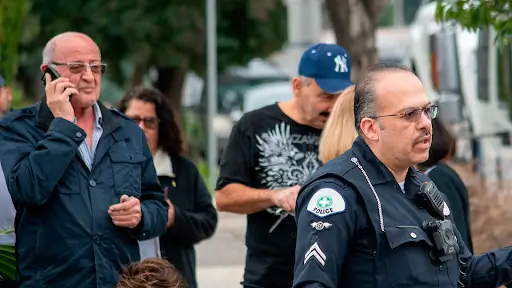
Use open questions such as “What did you see?” Record the witness’s own words, where they were and the date of the account. Let the person identify uncertainty. Do not suggest an answer, supply details or ask a witness to change an account to match yours.
A dated, signed account can help preserve a recollection, but a signature does not make every statement admissible at trial. Georgia’s hearsay rules and applicable exceptions still matter. Tell your lawyer about the original notes and recordings so their use can be evaluated.
A lay witness may describe an observed impact, movement or apparent condition. That does not automatically establish a medical diagnosis, prove that every symptom came from the crash or calculate future treatment and lost earnings.
Use Witness Evidence Alongside Other Records
Compare the account with photographs, vehicle damage, reports, video and medical records. Honest differences in perspective may need investigation; inconsistencies should not be concealed. A witness’s role in negotiations may differ from the foundation required for testimony in court.
Keep original notes, contact details and unaltered recordings in an organized file. Castan, Lecca & Boeschen can assess what the evidence supports, what additional records are needed and how deadlines affect the claim. No witness statement is irrefutable, and representation cannot promise a settlement or verdict.