
Updated November 11, 2026. Useful accident documentation records what happened, where the information came from and what remains uncertain. It can help an insurer or legal team investigate responsibility and losses, but even a detailed file does not guarantee compensation or eliminate every disagreement.
Put safety before photographs
Address injuries and immediate danger first. Follow responders’ instructions and do not stand in traffic, enter restricted property or move hazardous debris for a better photograph. A person who is seriously injured may be unable to collect evidence; explain that rather than putting health at risk.
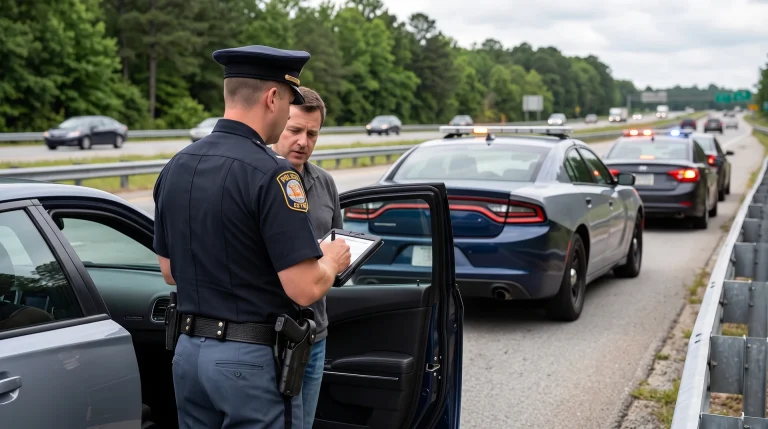
Georgia law requires immediate notice to the appropriate law-enforcement agency for a crash involving injury, death or apparent property damage of $500 or more. The reporting statute is separate from an insurance report. Keep the responding agency and report number when available.

Photograph context as well as damage
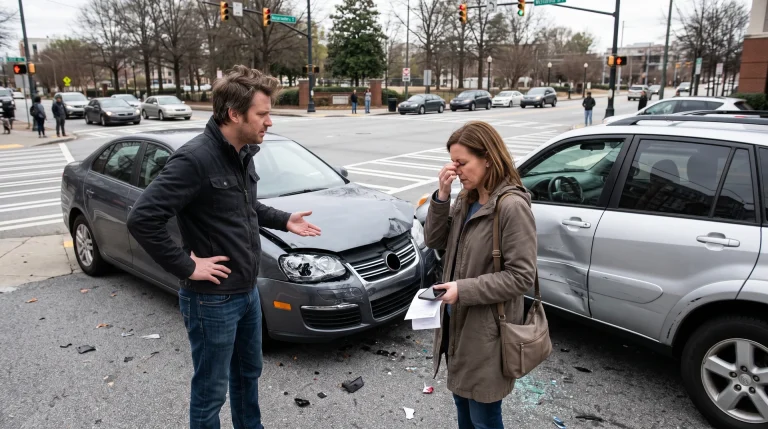
If it is safe, record the vehicles, plates, damage, relevant signs or signals, roadway markings, lighting and visible conditions. Wide views and close details serve different purposes. Do not manufacture a scene or assume that damage alone establishes speed or fault.
Record the date and location, and identify photographs taken later. Preserve original files and metadata where available, with a backup. Keep edited copies separate. Note nearby cameras, dashcams and possible custodians so that a timely preservation request can be considered.
Record witnesses and your own recollection accurately
Ask willing witnesses for contact details and what they personally observed. Note where they were and distinguish their words from your interpretation. Do not coach a witness or fill gaps with a version that seems more helpful.
Write a timeline while events are fresh, marking estimates and uncertainties. Keep relevant messages and correspondence. A witness can support or contradict a claim; the number of witnesses alone does not determine credibility.

Keep reports, treatment and loss records together
- Report information, driver details, insurance information and claim numbers.
- Medical visit summaries, bills, restrictions and care instructions.
- Repair estimates, photographs of damaged belongings and purchase records where available.
- Work schedules, wage records and documentation of time missed.
- Letters and messages with insurers, providers and other relevant parties.
Ask the agency how to obtain a report and request correction of a factual error through the appropriate process. A report is useful information, not an automatic final civil finding. Avoid publishing private medical or identifying information to social media in an effort to prove the claim.
Identify missing material and next steps
Make an index of what you have and what someone else may hold. Footage, vehicles and electronic information may require early preservation. A lawyer can help evaluate appropriate requests, specialist work and deadlines. You do not need a complete file before asking about an urgent issue.
Contact Castan, Lecca & Boeschen to discuss your circumstances. This is general information; applicable requirements and options depend on the facts.