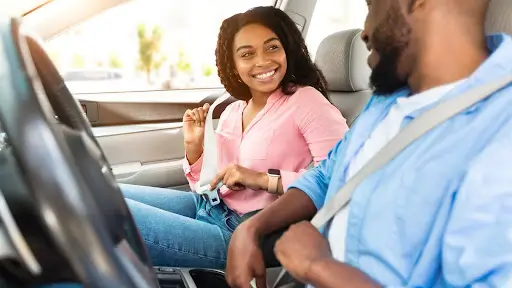

Buckling up is a practical way to reduce the risk of serious harm in a crash. A seat belt works with the vehicle’s other safety systems, including air bags. It cannot make every collision survivable or prevent every injury, but using it correctly matters on short trips as well as long journeys.
Read Seat Belt Statistics in Context
The National Highway Traffic Safety Administration reports that 48% of passenger-vehicle occupants killed in 2024 were unrestrained among cases where belt use was known. This is a national fatality statistic for that year and population, not the percentage of all crashes, all road deaths or Georgia occupants.
NHTSA also summarizes research estimating that lap-and-shoulder belts reduce fatal-injury risk by 45% and moderate-to-critical injury risk by 50% for front-seat passenger-car occupants. Those estimates are not a promise about an individual crash or a newly measured 2026 result. Vehicle type, seating position and the outcome studied matter.
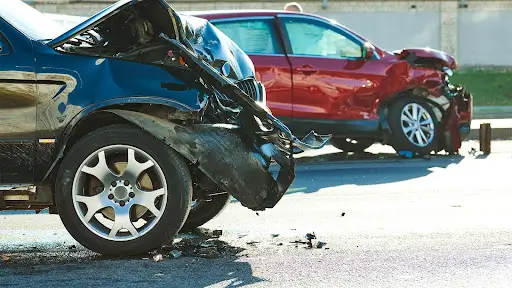
How Proper Fit Helps Protect Occupants
Wear the lap belt snugly across the hips and pelvis, below the abdomen, and place the shoulder belt across the middle of the chest. Do not route it behind the back or under an arm. NHTSA explains that belts help keep occupants inside the vehicle and distribute crash forces across stronger parts of the body. Air bags supplement this protection; they do not replace a belt.
Children need an appropriate restraint for their size and age. Follow the restraint and vehicle instructions rather than treating an adult belt as suitable for every child.
Protection Reduces Risk; It Does Not Eliminate Injury
A belt can reduce ejection and contact with the vehicle interior, but a restrained occupant can still suffer head, neck, chest, back or other injuries. Whiplash and spinal cord injuries are not categorically prevented by wearing a belt. Correct use reduces risk; it does not diagnose the severity of an injury afterward.
Seek medical guidance based on symptoms and the circumstances. Tell the clinician how the collision occurred and whether the belt or air bag contacted the body. Do not dismiss continuing symptoms simply because you were restrained.
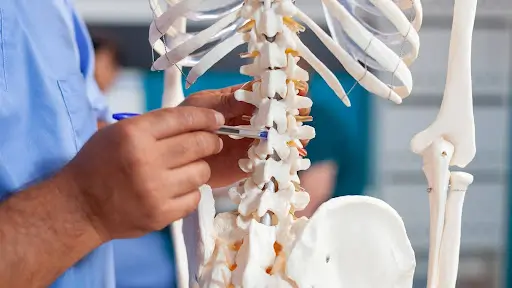
Why Crash Outcomes Still Vary
Speed, impact direction, intrusion, vehicle structure, occupant position and restraint fit can all affect the outcome. A dramatic story about one collision cannot establish what a belt would have prevented in another. No unverified crash example is needed to explain the safety benefit.
Safety guidance and legal evidence are separate issues. Under the amended Georgia seat belt statute, nonuse may be admissible in a civil case, subject to applicable evidence rules, and may affect recovery. It is inaccurate to say nonuse can never be considered. The effect in a particular claim requires review of the facts and applicable law.
Build a Safe Habit on Every Trip
Buckle up before the vehicle moves and check that every occupant has an appropriate restraint. Model the same habit for young drivers and passengers, and consult the vehicle manual about belt adjustment and safety equipment. Technology supports safe use; it does not replace it.
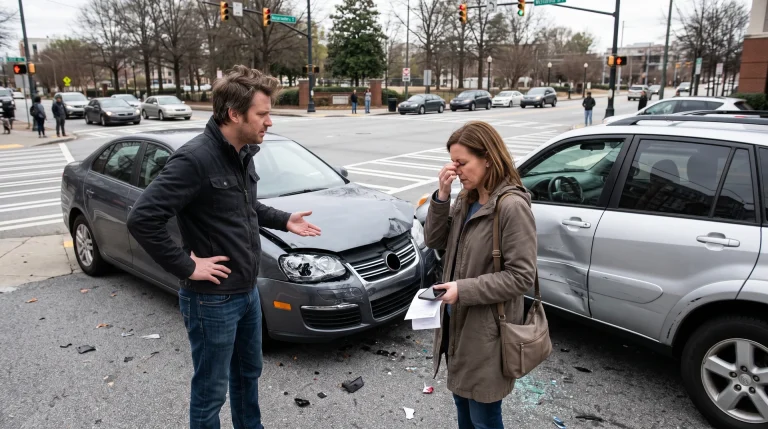
After an injury crash, preserve photographs, reports and medical records. Castan, Lecca & Boeschen can discuss responsibility, insurance and legal options. Neither wearing a belt nor hiring an attorney guarantees a particular claim result.