
Updated November 17, 2026. Naturalization is a process for obtaining U.S. citizenship when the applicable requirements are met. Before preparing Form N-400, identify your eligibility category and whether you may already be a citizen. A visa, DACA grant or a certain number of years in the country does not by itself establish naturalization eligibility.
1. Identify the correct eligibility category
USAGov summarizes common paths, including five years as a lawful permanent resident and a three-year route for qualifying spouses of U.S. citizens. Marriage alone is not enough for the shorter route. Military provisions and other special rules can differ.
Age, continuous residence, physical presence, time in the state or USCIS district, good moral character and other applicable requirements need individual consideration. Continuous residence and physical presence are different concepts. Record every trip and relevant address rather than assuming that all absences are treated alike.
Some citizenship claims through a parent involve acquisition or derivation rather than an adult N-400 application. Do not choose Form N-600 or N-600K solely on whether you are inside or outside the United States; the legal basis and requirements determine the appropriate procedure.

2. Gather records and check current instructions
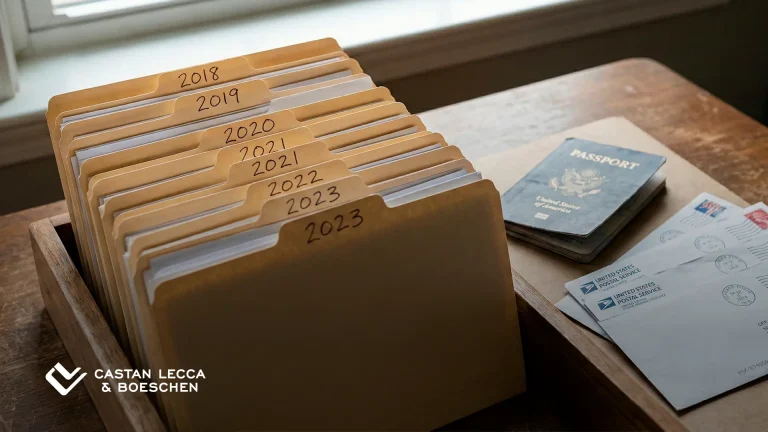
Organize identity and permanent-residence documents, travel dates, address and employment history, marriage records when relevant, tax information and records of encounters with law enforcement. Disclose prior applications, removals or other immigration proceedings so that possible issues can be evaluated before filing.
Use USCIS’s current N-400 form and instructions for the filing method, supporting documents, applicable edition, fees and any available fee relief. Do not rely on an old downloaded form or a general “four years and nine months” rule. Early filing has specific conditions and does not waive the other requirements.
3. Respond to notices and prepare for the interview
Keep receipt notices and respond to requests or appointments as instructed. USCIS may schedule biometrics or reuse information where appropriate. Follow the notice received rather than assuming everyone takes the same steps on the same timetable.
The interview can address the application and background, with English and civics requirements unless an exception or accommodation applies. The 2025 civics-test notice distinguishes application filing dates. Use the official study material for the version that applies to you; an old test description may not fit a new application.
4. Understand the decision and oath stage
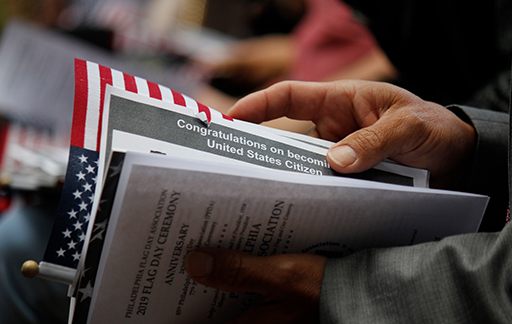
USCIS explains the later steps, including its decision and, if approved and required, the Oath of Allegiance. Processing time varies. A complete application, a lawyer or passing a test does not guarantee approval or a fixed decision date.
When assistance may be useful
Representation is generally optional. Consider individual advice about long absences, criminal history, taxes, prior immigration statements, marriage eligibility or uncertainty about existing citizenship. A lawyer can review records and explain risks without promising approval. General visa, asylum and DACA discussions should not replace the N-400 eligibility review.
Contact Castan, Lecca & Boeschen to discuss your circumstances. This is general information; applicable requirements and options depend on the facts.