
A crash during an Uber or Lyft trip can leave a passenger unsure whom to contact or which insurance policy may apply. The immediate priorities are safety, medical attention and preserving a clear record of the trip. These four steps can help you prepare for a review of what happened.
1. Get to safety and obtain medical attention
Call 911 when someone is injured or there is an immediate danger. Follow emergency responders’ directions and avoid stepping into traffic. If you can safely leave the vehicle, move to a secure location away from approaching vehicles.
Tell a healthcare professional about your symptoms and the circumstances of the collision. Keep treatment records and follow the care instructions you receive. Do not delay necessary care while trying to determine which insurer will pay. Questions about medical bills and coverage can be reviewed separately.
2. Report the collision and record the details
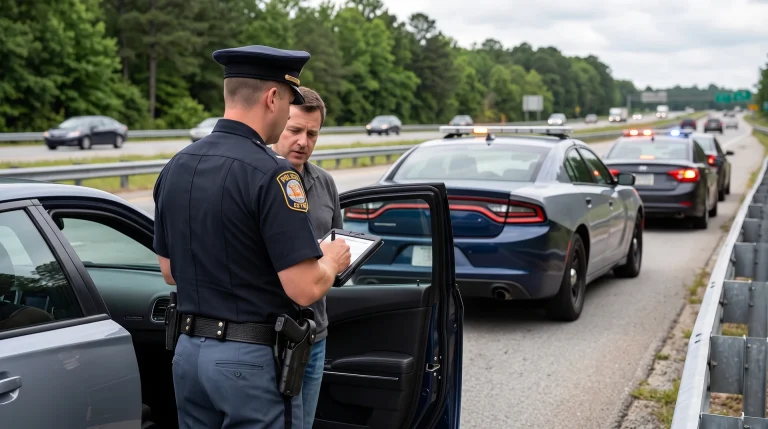
Provide accurate information to the responding officer and ask how to obtain the report. Write down the drivers’ names, contact information, license plates and insurance details when available. A passenger should not assume that the rideshare driver has collected everything needed for the passenger’s own claim.
Use the platform’s accident-reporting process and retain confirmation of your report. Keep copies of messages with the company, the driver and any insurance representative. Reporting an incident through an app is separate from reporting it to the authorities or pursuing a claim.
3. Preserve your trip and accident evidence
Save the trip receipt, booking information, driver profile, pickup and destination details, and any messages about the ride. Screenshots can help preserve information that may later become harder to find. Keep original electronic records where possible.
- Photograph the vehicles, damage and scene only when it is safe.
- Obtain witness names and contact details.
- Record the time, location and your position in the vehicle.
- Keep medical bills, receipts and a record of work missed because of the injury.
Keep the trip details and accident records together, with copies of the original files, so your legal team can review them.
4. Review insurance coverage before accepting a settlement
A rideshare collision may involve several parties: the rideshare driver, another motorist and more than one insurer. The driver’s activity in the app at the time of the crash can be relevant to the coverage review. A passenger, another driver and a person outside the vehicle may have different questions to resolve.
Do not assume that the platform automatically pays every loss or that a particular coverage limit guarantees compensation. Keep claim numbers and written explanations of coverage decisions. Before signing a release or accepting an offer, understand what claims it would resolve and whether the extent of your injuries is clear.
If you were driving, preserve whether the app was off, waiting for a request, heading to a pickup or carrying a passenger, together with trip and notification times. Passengers should keep their own receipt and driver details. Those facts help identify which policies need review; they do not establish that a personal policy must always be exhausted first or that the platform provides full payment for every loss.
Get help reviewing a rideshare accident in Georgia
Castan, Lecca & Boeschen can review the trip records, accident evidence and insurance questions connected to your injury. Read more about our car accident services, call 678-825-3611, or contact our team to discuss your situation.